Compare Local Contractors for Electrical Outlet Installation Success
Compare local contractors to define project scope, verify experience, and set clear expectations for a successful electrical outlet installation.
Electrical outlet installation is a common service that involves adding new outlets or replacing existing ones to improve the functionality and convenience of a property’s electrical system. This work typically covers tasks such as assessing the current wiring setup, selecting appropriate outlet types, and securely installing outlets in designated locations. Whether upgrading outdated outlets or expanding the number of accessible power points, property owners should ensure that the scope of work clearly specifies the number of outlets, the types of outlets needed, and any necessary modifications to existing wiring or electrical boxes.
Defining the scope of electrical outlet installation is essential for setting clear expectations and avoiding misunderstandings. A detailed scope helps property owners communicate their specific needs, such as the placement of outlets in certain rooms or the addition of specialized outlets for appliances or electronics. It also allows contractors to assess the complexity of the work, identify potential challenges, and determine the necessary materials and tools. Having a written scope of work provides a reference point for both parties and helps ensure that the project proceeds smoothly and meets the property owner’s requirements.
When comparing local contractors for electrical outlet installation, property owners should consider several factors to make informed choices. It’s helpful to verify each service provider’s experience with similar projects and to review their reputation within the community. Asking for references or examples of completed work can provide insight into their capabilities. Additionally, reviewing written proposals or scope of work documents can highlight differences in how contractors understand and approach the job. By evaluating these aspects, property owners can identify service providers who are best suited to meet their specific needs and ensure that expectations are clearly documented before work begins.
Compare local contractors by outlining your project priorities, verifying experience, and setting clear expectations in writing.
- Verify Experience - Ensure contractors have relevant experience in electrical outlet installation projects.
- Define Scope Clearly - Outline the specific work and expectations in writing before work begins.
- Compare Local Contractors - Review multiple service providers to assess qualifications and expertise.
- Set Expectations in Writing - Document all project details to prevent misunderstandings and ensure clarity.
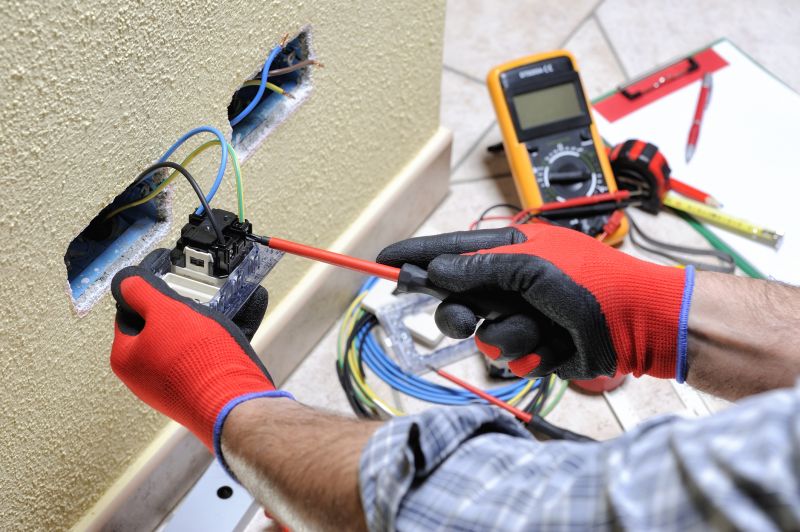
Clearly describe your electrical outlet installation project to help compare local contractors, define scope, verify experience, and set expectations in writing.
- Verify that the scope of electrical outlet installation is clearly defined in the project description. Local contractors should provide detailed explanations of the work involved to ensure understanding.
- Compare the experience levels of different service providers to ensure they have relevant expertise in outlet installation. Look for contractors with a proven track record of similar electrical projects.
- Ensure that the installation plan complies with local electrical codes and standards. Service providers should be knowledgeable about safety requirements and proper wiring practices.
- Request written confirmation of the scope, materials to be used, and any specific installation requirements. Having clear documentation helps set expectations and avoid misunderstandings.
- Check that the contractors will perform a thorough assessment of the existing electrical system before installation. This helps identify potential issues that could affect the new outlets’ safety and functionality.
- Compare how different local contractors handle the project scope and communication to find the best approach for your needs.
Compare local contractors’ experience and clarify project scope to ensure successful outlet installation.
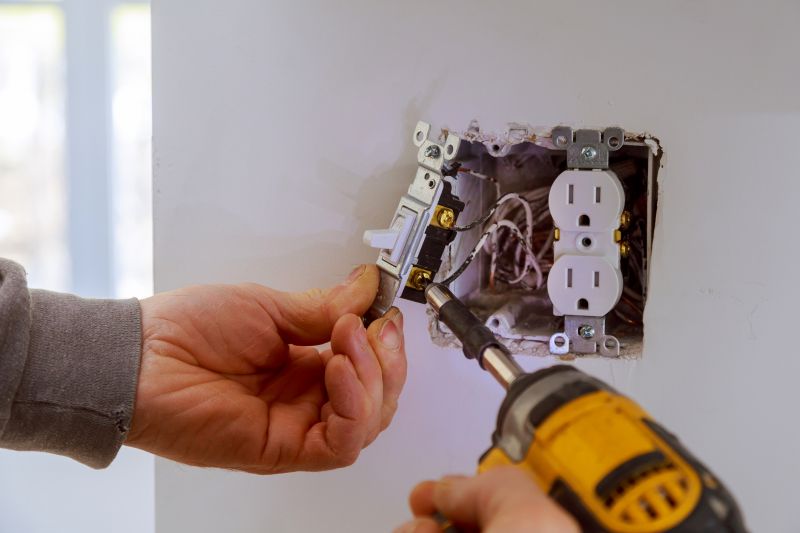
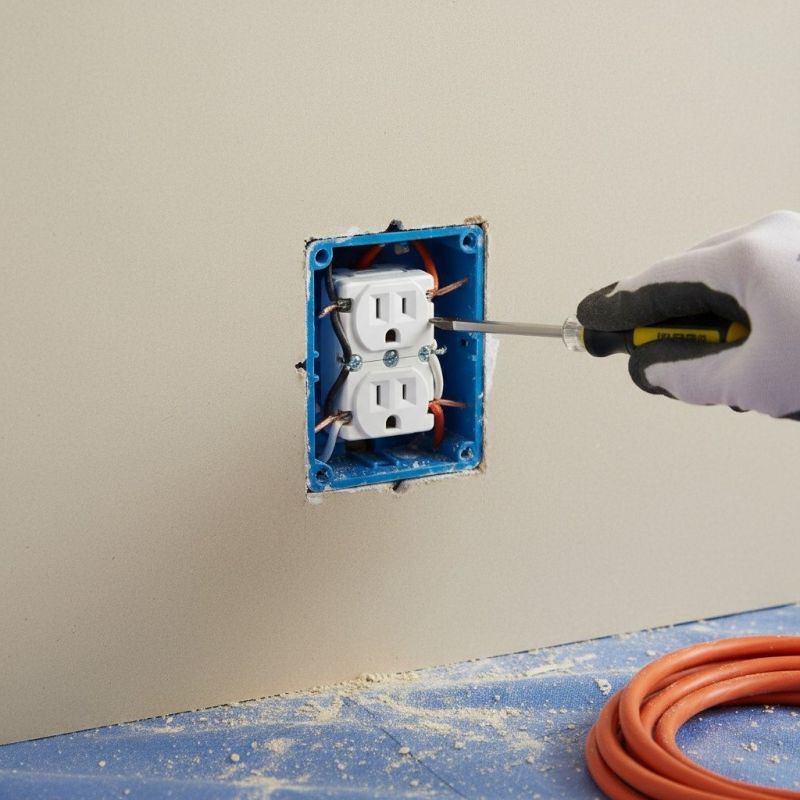
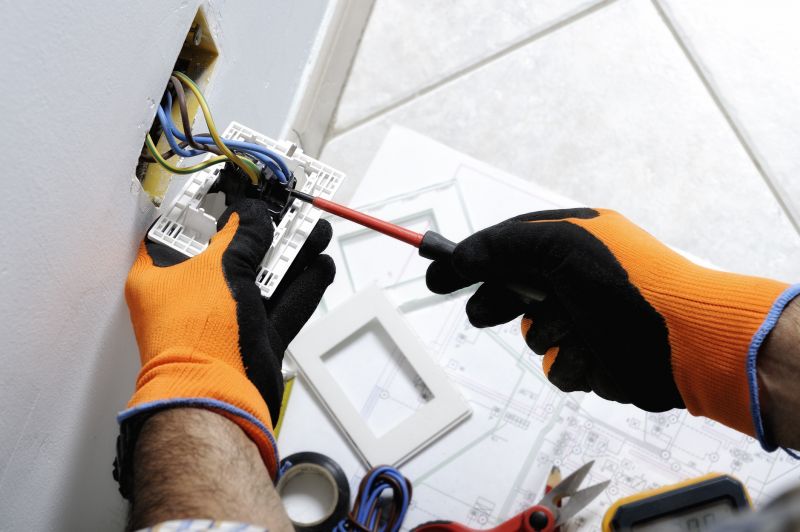
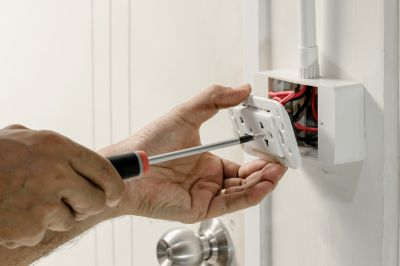
To ensure consistent comparisons, define your project scope clearly and verify experience with local contractors.
- Scope Definition - Clearly outline the specific locations and number of electrical outlets needed for the project.
- Material Requirements - Specify the types of outlets, switches, and wiring materials to be used during installation.
- Experience and Expertise - Verify that service providers have relevant experience with outlet installation in similar settings.
- Work Specifications - Detail the installation process, including any modifications to existing wiring or electrical systems.
- Written Agreement - Ensure all scope details, expectations, and responsibilities are documented in a formal agreement.
When comparing contractors for electrical outlet installation, it’s important to assess their experience with similar projects. Look for service providers who have a proven track record of handling outlet installation tasks comparable in scope and complexity to your needs. This can include experience with different types of outlets, such as GFCI or USB outlets, or installations in specific areas like kitchens or bathrooms. Contractors with relevant experience are more likely to understand potential challenges and deliver results that meet your expectations.
A clear, written scope of work is essential when evaluating electrical outlet installation services. A detailed scope should specify the number and types of outlets to be installed, the locations, and any additional work involved, such as wiring upgrades or fixture modifications. Having this information in writing helps ensure that both parties share the same understanding of the project, reducing the risk of misunderstandings or overlooked details. Clarifying the scope upfront can also help in setting realistic expectations about the work to be performed.
Verification basics are key to selecting reliable service providers. Confirm that prospective contractors can verify their experience with similar projects through references or portfolios of completed work. It’s also helpful to verify that they understand local electrical codes and standards relevant to outlet installation. While licensing and certification are not discussed here, ensuring that contractors can demonstrate their competence through previous work or client references can provide confidence in their ability to deliver quality results.
When evaluating options, focus on how well contractors communicate their approach and clarify project details in writing. Ask questions about their process for handling specific installation requirements and how they plan to coordinate the work. Comparing their responses and the clarity of their explanations can help identify service providers who are transparent and thorough in their planning. This approach ensures that expectations are aligned and that the selected contractor is well-equipped to handle the project efficiently and accurately.
Ask contractors to provide written scope details to ensure clear understanding and consistent expectations for the project.
- Experience and References - What experience do the local contractors have with electrical outlet installations similar to the scope of your project?
- Scope of Work - How clearly do the contractors define the scope of work and specify the number and location of outlets to be installed?
- Materials and Equipment - Do the service providers specify the types of outlets and materials they plan to use for the installation?
- Warranty and Guarantees - Are the contractors willing to provide written assurances regarding the quality and durability of their work?
- Communication and Clarification - How will the contractors ensure expectations are understood and any questions about the project scope are addressed upfront?
How can I compare electrical outlet installation contractors? To compare local contractors, review their experience, verify references, and examine their scope of work to ensure they meet project requirements.
What should I consider when defining the scope of my outlet installation? Clearly outline the number of outlets, locations, and any special features needed to help contractors provide accurate proposals and avoid misunderstandings.
How do I verify a contractor’s experience with outlet installation? Ask for details about their previous projects, request references, and check if they have handled similar installation types in comparable settings.
Why is it important to set expectations in writing? Documenting scope, materials, and responsibilities helps prevent disputes, ensures clarity, and provides a reference point for the project's completion criteria.
What questions should I ask potential contractors before hiring? Inquire about their experience, methods, materials used, and how they handle unexpected issues to gauge their professionalism and suitability.
How can I ensure the contractor understands my project needs? Communicate your requirements clearly, ask for a detailed written proposal, and confirm that all aspects of the scope are included before proceeding.
This page has highlighted key aspects to consider when selecting contractors for electrical outlet installation, including defining the scope of work, verifying experience, and setting clear expectations in writing. Understanding these elements can help ensure that the project is approached with clarity and transparency, making it easier to compare options among local service providers. Utilizing the quote form allows visitors to explore and connect with qualified local contractors who can handle the job.
By using the quote form, visitors can efficiently compare different local service providers, gaining insight into available options for electrical outlet installation. This approach supports making informed decisions based on the unique needs of each project, helping to identify experienced contractors ready to assist. Taking the next step through the form can facilitate connections with trusted local professionals suited to the specific requirements of the job.